How to Select the Right Current Transformer for Low Voltage Applications
current transformer, CT selection, low voltage, IEC 61869, metering, protection
Introduction Selecting the wrong current transformer doesn't just give you bad readings — it can cause your protection relay to miss a fault, your energy meters to overbill customers, or your switchgear to fail during a short circuit. Yet CT selection is often treated as an afterthought. Engineers specify the ratio, order the unit, and move on. The result? Measurement errors that compound over years, and protection systems that look correct on paper but fail when it matters most. This guide walks through the five parameters that actually matter when specifying a current transformer for low voltage applications — written for engineers who design panels and procurement managers who need to know what they're buying.
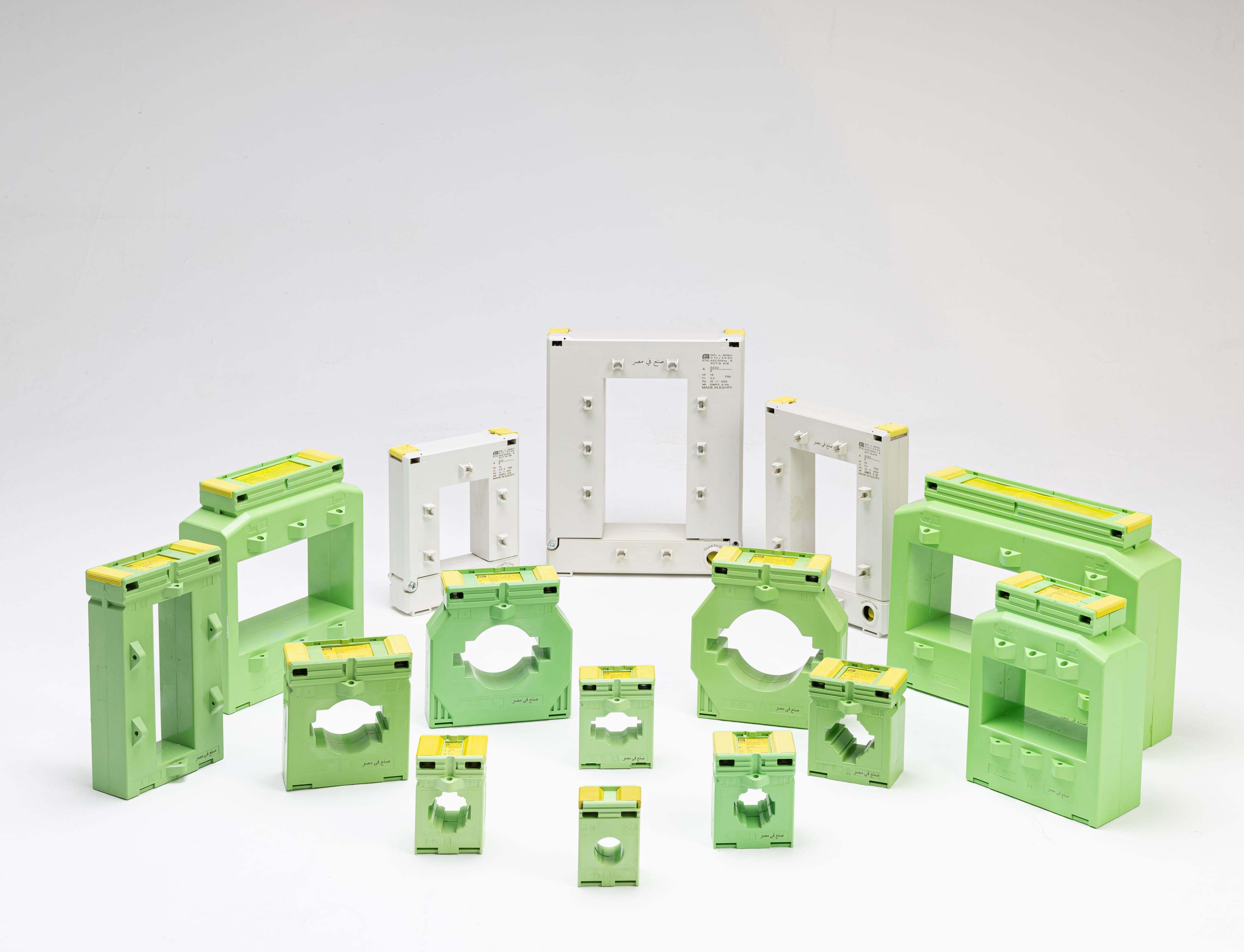
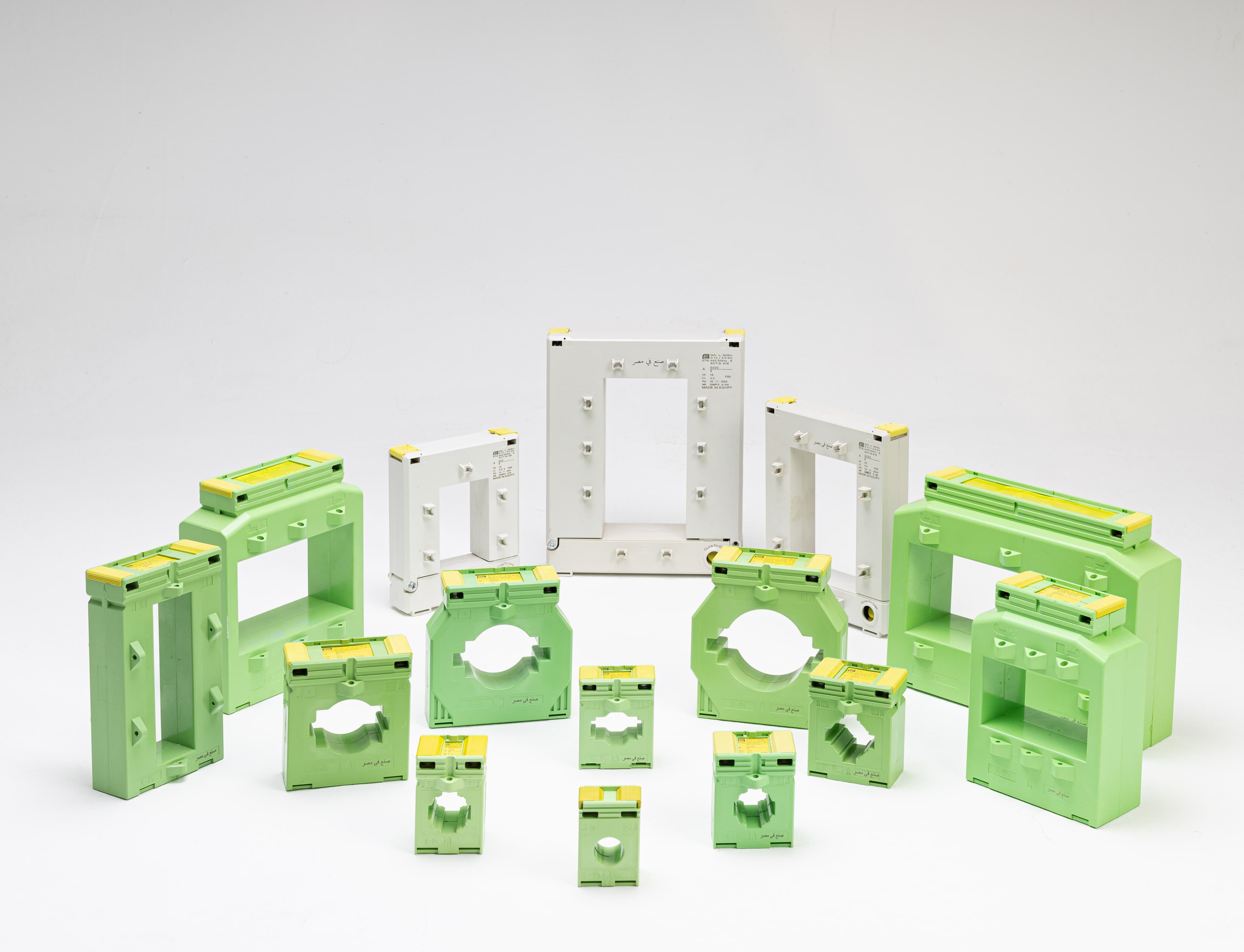
What Is a Current Transformer and Why Does It Matter? A current transformer (CT) is an instrument transformer that steps down a high primary current to a standardized secondary output — typically 1A or 5A — that measuring instruments and protection relays can safely process. Without a CT, there is no way to feed live current data into a kilowatt-hour meter, a power analyzer, or an overcurrent relay. Every single measurement point in a low voltage distribution panel depends on the CT being accurate, correctly loaded, and properly rated for the installation. The stakes are simple: a well-specified CT is invisible — it just works. A poorly specified one will silently distort everything downstream from it.
The 5 Parameters You Must Get Right
- Transformation Ratio
The ratio defines the relationship between the primary current (the line current you're measuring) and the secondary output current. Common examples: 100/5A, 400/5A, 1000/1A. The rule: the primary rating must match or slightly exceed your nominal load current. Undersizing the ratio means the CT will saturate during normal operation. Oversizing it means you lose measurement resolution — a 1000/5A CT measuring a 50A load is running at 5% of its range, where accuracy is worst. For procurement: always confirm the expected operating current range before specifying the ratio. A single ratio rarely fits every feeder in a panel.
- Accuracy Class
Accuracy class tells you the maximum permissible measurement error under rated conditions. ClassMax ErrorTypical Use0.2±0.2%Precision revenue metering, tariff billing0.5±0.5%General revenue metering, energy monitoring1±1%Indication, non-billing meters3 / 5±3–5%Approximate measurement, general indication The rule: for anything connected to a billing meter or a revenue measurement system, specify Class 0.5 or better. Class 1 and above are for dashboard displays and rough monitoring only. A Class 1 CT on a billing meter is a legal and commercial liability.
- Burden Rating
Burden is the maximum load — expressed in VA (volt-amperes) — that the CT's secondary can drive while maintaining its stated accuracy class. This is where most selection errors happen. Every instrument connected to the CT secondary adds load: the cable resistance, the meter input impedance, relay coils, terminal resistance. If the total connected burden exceeds the CT's rated burden, accuracy degrades — even if the ratio and class are correct. How to calculate it:
Total Burden = (meter VA) + (relay VA) + (cable resistance × I² secondary)
Then add 20% safety margin and specify a CT with a rated burden at or above that figure. Standard rated burdens are typically 2.5 VA, 5 VA, 10 VA, and 15 VA. For long secondary cable runs in industrial installations, 10–15 VA CTs are commonly needed even for relatively simple metering circuits.
- Rated Thermal and Dynamic Current
Two values define how a CT survives fault conditions:
Rated short-time current (Ith): the RMS fault current the CT can carry for one second without damage Rated dynamic current (Idyn): the peak instantaneous fault current the CT can withstand
These values must be matched to the prospective short-circuit current at the installation point. In Egyptian distribution networks, fault levels of 25–31.5 kA are common at LV busbars downstream of typical distribution transformers. Specifying a CT with an Ith below the installation fault level is a safety failure — the CT will be destroyed during a fault, potentially taking out the metering panel and creating an arc flash hazard. For procurement: always request the installation fault level from the network operator or the panel designer before confirming the CT specification.
- Rated Insulation Voltage
The CT insulation class must be equal to or greater than the rated voltage of the installation. For standard 400/230V low voltage networks, a CT rated at 0.72/3 kV is typical. In applications near the LV terminals of a distribution transformer — where transient overvoltages can reach several times the nominal voltage — specifying higher insulation class (e.g., 3 kV or above) provides a meaningful safety margin.
IEC Standard Reference Current transformers for LV metering and protection are covered under IEC 61869-1 (general requirements) and IEC 61869-2 (specific requirements for current transformers). These standards define accuracy classes, burden ratings, thermal ratings, and type test requirements. All ETAL current transformers are designed and tested in compliance with applicable IEC standards.
Common Mistakes in CT Selection Mistake 1: Specifying only the ratio Ratio is one of five parameters. Ordering a CT by ratio alone is like ordering a cable by color — technically a specification, practically useless. Mistake 2: Ignoring burden accumulation Engineers often calculate burden based on the meter alone and forget cable resistance. In panels with secondary runs exceeding 5 meters, cable resistance can easily add 1–2 VA to the burden — enough to push a borderline selection over the limit. Mistake 3: Using Class 1 for billing applications Revenue meters connected to Class 1 CTs will drift. Over a year of operation on a large industrial feeder, this drift can represent measurable financial loss — either to the supplier or the customer. Mistake 4: Not checking fault level compatibility A CT that passes all other criteria but has an Ith of 10 kA in an installation with a 25 kA fault level will fail catastrophically during the first significant fault event.
A Practical Selection Checklist Before ordering any current transformer, confirm the following:
Primary current ratio matches nominal operating current (with <120% headroom) Accuracy class meets the application requirement (billing = 0.5 or better) Total connected burden calculated including cable resistance Rated burden ≥ total connected burden + 20% margin Ith and Idyn ratings exceed installation fault level Insulation voltage rating matches installation voltage class Dimensions and mounting configuration confirmed against panel layout
Why the Manufacturing Standard Matters Not all current transformers that carry the same nameplate data perform equally. The calibration process — the precision with which the core is wound and the secondary circuit is adjusted — determines whether a CT actually delivers its stated accuracy class in the field, or only in a lab test. At ETAL, every current transformer produced at our Fayoum facility is individually calibrated and tested using computerized equipment before leaving the factory. This is what separates a specification on paper from performance in the field.
Summary CT selection is a five-variable problem, not a one-variable lookup. Get the ratio right and ignore the burden, and your meters drift. Get the burden right and ignore the fault rating, and your CT survives exactly one fault event. The checklist above covers every parameter you need. Apply it consistently, and the CT becomes the invisible, reliable component it's meant to be.